Understanding how women's apparel manufacturing works in China provides valuable insights into a vast industry. The intricacies of this sector reveal the complexities involved in producing clothing that meets global standards. China's rich textile heritage and state-of-the-art technology combine to create a unique manufacturing environment.
Several factors shape how women's apparel manufacturing works in this country. Labor costs, material sourcing, and design innovation play crucial roles. The efficiency of the supply chain impacts overall production time. However, not every aspect is seamless. Ethical concerns and environmental regulations pose challenges that demand reflection and improvement.
Examining these elements provides a clearer picture of the current landscape. Insights into processes, craftsmanship, and the future of women's fashion manufacturing can guide businesses and consumers alike. Understanding the nuances enriches our perspective and prompts questions about responsibility in the industry.
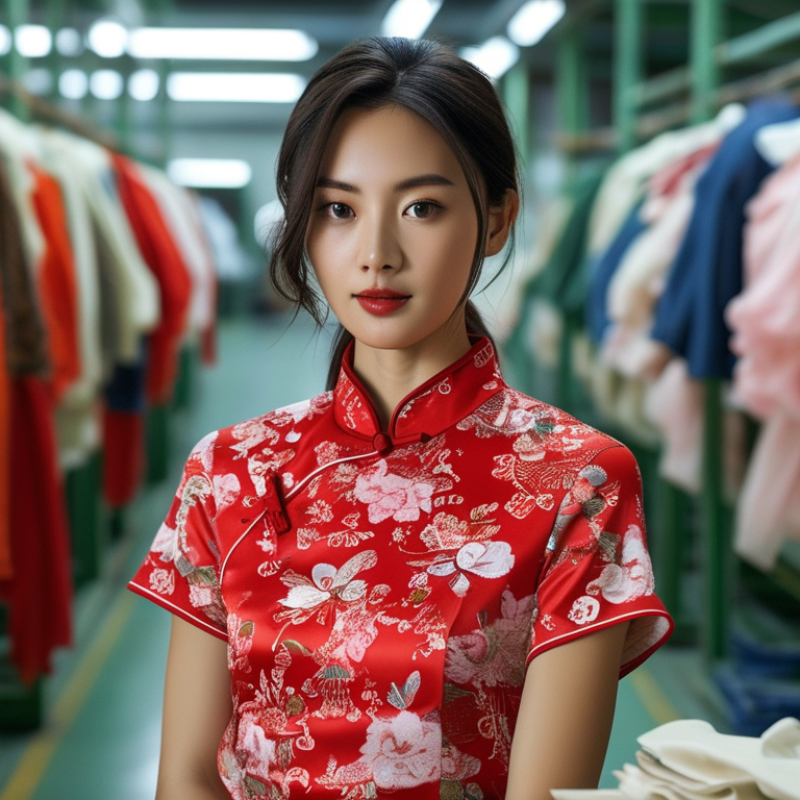
Women’s apparel manufacturing in China is a dynamic and pivotal component of the global fashion landscape. As of 2022, the sector accounted for approximately 36% of China’s clothing exports, highlighting its significance. The country hosts a vibrant network of factories, skilled workers, and advanced technologies. This intertwined ecosystem supports rapid production cycles, crucial for responding to fast fashion demands.
The workforce in this sector is considerable, with over 100 million people engaged in textile and apparel manufacturing nationwide. However, challenges persist. Labor conditions, while improved, often raise concerns about worker rights and safety standards. Additionally, environmental impacts from dyeing and finishing processes demand more attention. In recent years, initiatives have emerged aimed at sustainable practices, yet progress can be slow. The push for eco-friendly materials is growing, but many producers still rely on conventional methods.
The manufacturing landscape is continually evolving with technological advancements. Automation and AI are being integrated to streamline processes, enhance quality, and reduce costs. Yet, the reliance on technology can sometimes undermine job security for many workers. Manufacturers must strive to balance innovation with ethical responsibilities. Ensuring fair wages and sustainable practices will be crucial for the industry to thrive in the future.
In women’s apparel manufacturing in China, materials play a crucial role. Cotton, for example, remains a top choice. It accounts for approximately 30% of fabrics used. Women favor cotton for its comfort and breathability. However, sustainability concerns arise with mass cotton farming. The environmental impact raises questions about the future of cotton in fashion.
Polyester is another significant material. It offers durability and flexibility, making it popular among manufacturers. Reports indicate that polyester constitutes about 50% of all apparel textiles. Yet, critics highlight its reliance on fossil fuels. This reliance poses challenges for the industry, especially with growing environmental awareness.
Linen, while less common, is gaining traction. It is valued for its lightweight and airy nature. Linen’s natural origin appeals to eco-conscious consumers. However, its production can be labor-intensive and costly. This factor raises the retail price, creating a balance between cost and sustainability.
The evolution of textile materials represents both opportunities and challenges in women’s apparel production. Engaging with these materials requires continuous reflection on their broader implications.
| Material Type | Common Uses | Sustainability Level | Cost per Meter (USD) |
|---|---|---|---|
| Cotton | T-shirts, Dresses, Casual Wear | Moderate | 2.50 |
| Polyester | Activewear, Blouses, Jackets | Low | 1.50 |
| Linen | Summer Dresses, Blouses | High | 4.00 |
| Silk | Luxury Dresses, Tops | Moderate | 8.00 |
| Rayon | Dresses, Skirts | Moderate | 3.00 |
| Wool | Coats, Sweaters | Moderate | 6.00 |
| Nylon | Activewear, Leggings | Low | 1.75 |
| Viscose | Blouses, Dresses | Moderate | 3.25 |
| Tencel | Eco-Friendly Apparel | High | 5.50 |
| Georgette | Dresses, Evening Wear | Moderate | 4.50 |
The production processes in women's apparel manufacturing in China are intricate and demand high standards. Factories employ techniques that include pattern making, cutting, sewing, and finishing. According to a report from the Massachusetts Institute of Technology, around 43% of global apparel supply is concentrated in Asia, with China leading in various fashion categories.
Pattern making begins with the design stage, where technical specifications must align closely with market trends. Often, this process requires precise measurements to ensure fit and comfort. After patterns are created, fabric cutting is often optimized through technology, which can minimize waste. However, many factories still rely on manual cutting, leading to inconsistencies that can impact overall efficiency.
Sewing is crucial, involving skilled labor that varies in quality across different regions. A 2021 analysis from the International Textile Manufacturers Federation revealed that labor costs in low-wage clusters have risen, resulting in rising production expenses. This raises questions about the balance between quality and cost-efficiency. Finishing processes, including washing and ironing, further require monitoring for quality assurance, which can sometimes be overlooked in the rush to meet deadlines. These challenges highlight the ongoing need for improvement in production methods, ensuring that not just speed, but quality remains a focus in women's fashion manufacturing.
Quality control is crucial in the Chinese apparel manufacturing industry. Companies often implement strict standards to maintain product quality. Regular inspections occur at various production stages. These processes ensure that garments meet both functional and aesthetic requirements.
Tips: Always request documentation on quality standards from manufacturers. This can include details on fabric sourcing and production methods. Understanding the supply chain will help you gauge overall quality.
Another essential aspect is communication. Clear communication about quality expectations reduces misunderstandings. It can also lead to better cooperation between buyers and manufacturers. Frequent updates about production progress are beneficial.
Tips: Establish a direct line of communication with the production team. This can lead to faster resolution of any issues. Building a rapport will enhance accountability in the manufacturing process.
Defects may still arise, even with rigorous standards. It is important to address any quality issues promptly. An effective feedback loop helps manufacturers understand and rectify problems. Continuous improvement is key in apparel production.
The women's apparel industry in China is experiencing significant shifts, shaped by evolving consumer preferences and market dynamics. A report by McKinsey indicates that the sector is projected to grow by 5% annually. Digital transformation plays a crucial role in this growth. More brands are adopting e-commerce platforms, accounting for over 25% of total sales. It is essential for businesses to adapt quickly in this fast-paced environment.
However, the industry faces notable challenges. A lack of sustainable practices is troubling. According to a study by the Global Fashion Agenda, only 15% of brands are committed to circular fashion. This gap raises questions about long-term viability. Moreover, labor costs are rising, prompting firms to reassess their manufacturing strategies. Flexibility in operations is increasingly essential to remain competitive.
Consumer demands are also shifting. Today's shoppers prioritize eco-friendly materials and transparency. Nielsen reports that 73% of millennials are willing to pay more for sustainable clothing. Brands that ignore this trend risk losing market share. Meeting these expectations requires innovation and investment in supply chains. The landscape is changing, and companies must reflect on their strategies to keep pace with the times.
: Women's apparel manufacturing accounts for approximately 36% of China's clothing exports.
Over 100 million people work in textile and apparel manufacturing nationwide.
Labor conditions and environmental impacts from manufacturing processes continue to raise concerns.
Automation and AI are streamlining processes and improving quality, but may affect job security.
Quality control ensures garments meet both functional and aesthetic requirements.
Buyers should request documentation on quality standards, fabric sourcing, and production methods.
Clear communication about quality expectations reduces misunderstandings and increases cooperation.
Consumers now prioritize eco-friendly materials and transparency, influencing brand strategies.
Rising labor costs force companies to reassess their manufacturing strategies for competitiveness.
Only 15% of brands are currently committed to circular fashion practices.
In understanding how women's apparel manufacturing works in China, it is essential to explore the key materials, production processes, and quality standards that define the industry. Chinese manufacturers utilize a variety of fabrics, such as cotton, polyester, and blends, which are crucial for creating fashionable and durable garments. The production process involves intricate techniques, including pattern making, cutting, and sewing, ensuring the final products meet both aesthetic and functional requirements.
Moreover, quality control plays a vital role, with stringent standards implemented to guarantee the reliability and craftsmanship of women's apparel. As the industry evolves, manufacturers face emerging trends and challenges, such as shifting consumer preferences and sustainability concerns. By examining these insights, stakeholders can better understand the dynamics of women’s apparel manufacturing in China and adapt to the ever-changing landscape.

Setor Fashion